

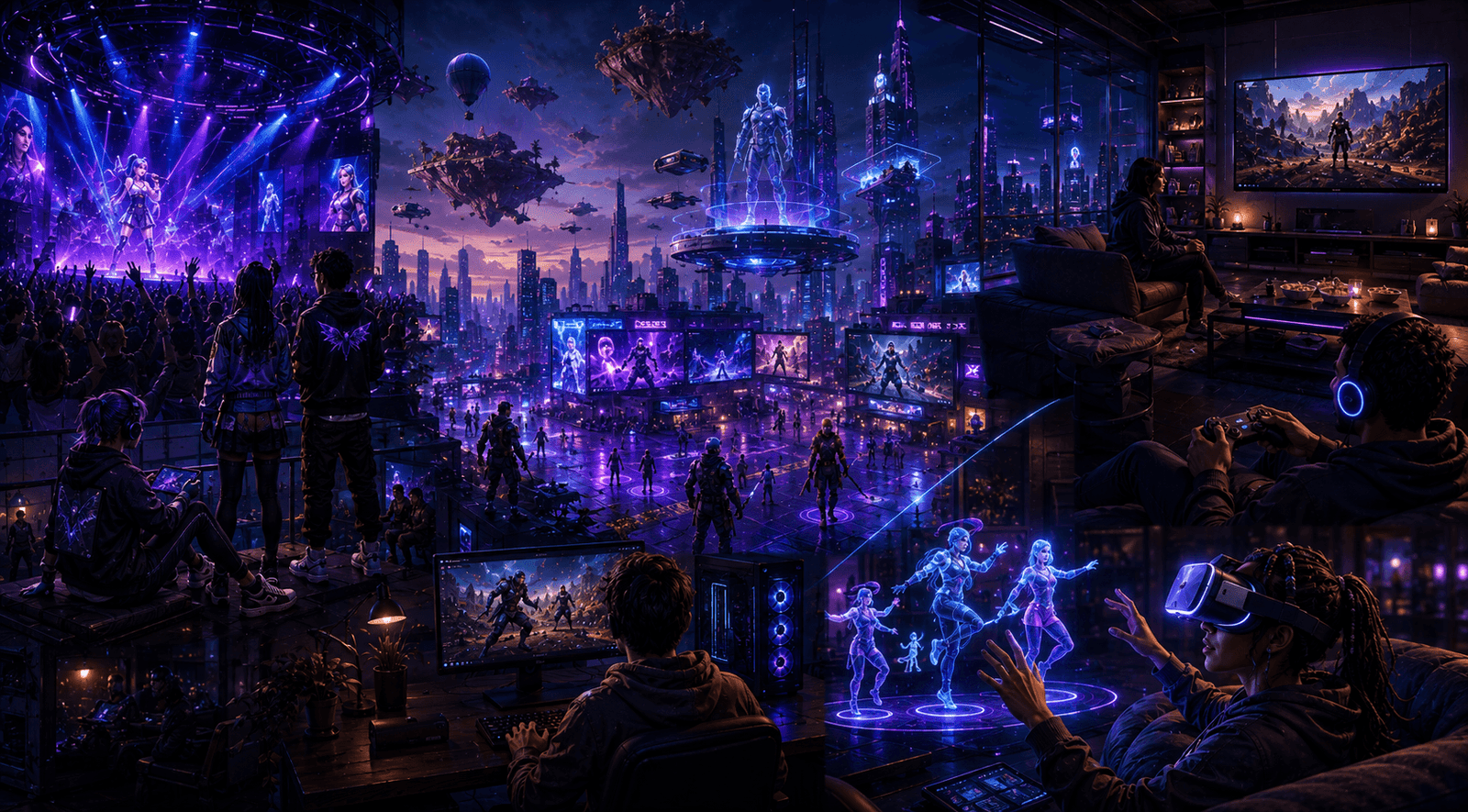
The line between playing a game and watching a film has been getting thinner for years. In 2026, the distinction barely holds.
Audiences across Africa and globally are spending more time in interactive digital spaces than in front of passive screens, and the entertainment industry has noticed.
The shift is not about games replacing movies or music, but about gaming logic becoming the template for how all content is designed and delivered. Understanding why this is happening requires looking at what gaming got right that other industries are still catching up to.
Interactive Entertainment Is Growing
Traditional entertainment asked people to sit and receive. A film had a beginning, middle, and end.
A song played for three minutes and stopped. Gaming never worked that way. It demanded input, rewarded progress, and gave players a reason to return the next day.
That structure turned out to be extremely effective at holding attention. The average gaming session is longer than the average film watch, and players return to the same title hundreds of times.
Other entertainment formats simply cannot compete with that level of engagement using passive content alone.
Mobile gaming accelerated this shift across Africa. With smartphone penetration rising steadily in Nigeria, Kenya, South Africa, and Ghana, gaming became accessible to millions who had never owned a console.
The content followed the audience, and the audience wanted to interact, not just watch.
Lessons Other Industries Learned from Gaming
Music, film, and sports did not ignore what gaming was doing. They started borrowing its mechanics.
Platforms like Pin Up were among the early adopters of game-like structures in non-gaming contexts, using reward systems, progress tracking, and interactive elements to keep users engaged beyond a single session.
The music industry introduced exclusive digital drops, limited access content, and fan reward systems that mirror how games release updates and expansions.
Artists now build communities around their work rather than just releasing albums and waiting. The engagement loop became the product.
The following industries adopted gaming mechanics most visibly between 2022 and 2026:
- Streaming services introduced achievement systems and personalized content paths.
- Sports betting platforms added live interaction, in-play mechanics, and reward ladders.
- Music apps launched social listening features and collectible digital items.
- Online casinos, including PinUp, integrated progression systems and themed seasonal events borrowed directly from game design.
These changes did not happen because companies wanted to seem modern. They happened because gaming mechanics demonstrably increased time spent, return visits, and user spending across every format that adopted them.
Virtual Worlds and Digital Experiences
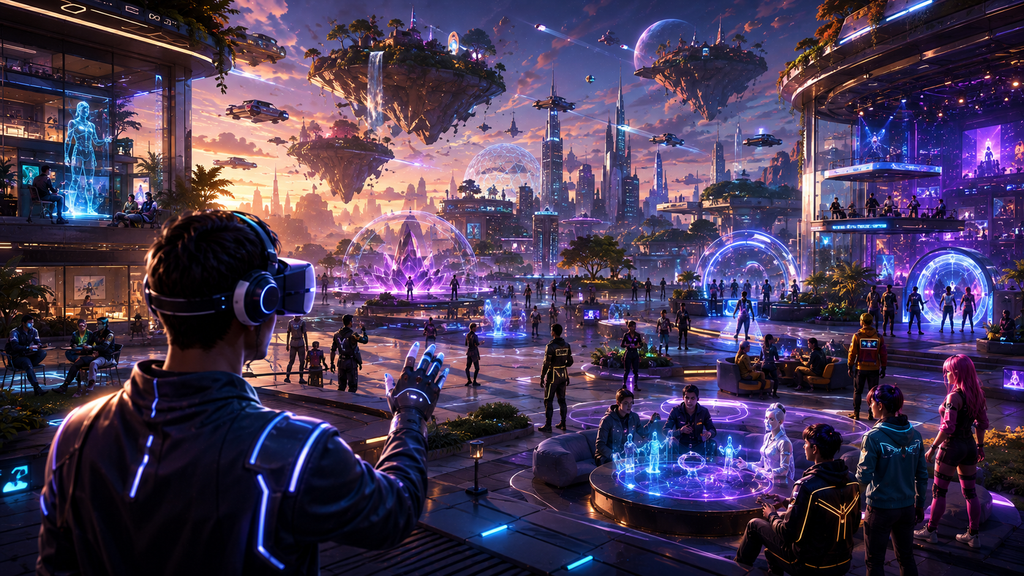
The next step beyond interactive content is persistent virtual environments. These are spaces where users do not just consume content but exist inside it.
Concerts happen inside virtual worlds. Fashion shows take place in digital spaces. Sports events are watched from inside simulated stadiums.
Pin-Up and comparable platforms reflect this direction in the online entertainment space, building environments that users return to repeatedly rather than visit once for a single purpose. The goal is not a transaction but a destination.
The table below outlines how entertainment formats are shifting from passive to interactive models:
| Format | Traditional model | Current direction |
| Film | Fixed narrative, passive viewing | Branching stories, viewer choices |
| Music | Album release, passive listening | Community drops, interactive fan spaces |
| Sports | Live broadcast, one-way viewing | In-play interaction, social watch parties |
| Online platforms | Single-purpose visits | Persistent environments with progression |
The pattern across every format is consistent: the static experience is being replaced by something that responds, rewards, and retains the audience across multiple sessions.
What Comes Next
The next phase is not a single technology but a convergence. Artificial intelligence will generate personalized content in real time. Spatial computing will make digital environments feel physical.
The boundary between entertainment and participation will disappear for many users.
For audiences across Africa, this matters because the infrastructure is already in place.
Mobile connectivity, digital payment systems, and a young population comfortable with interactive technology mean the shift will accelerate faster than in markets still tied to older distribution models.
Conclusion
Entertainment is not becoming a video game in a literal sense, but it is adopting gaming’s most effective principles: progression, personalization, community, and reward.
The industries that understood this early are already seeing the results in user retention and revenue. Those still relying on passive content formats are losing ground to experiences that ask something of the audience and give something back in return.

