

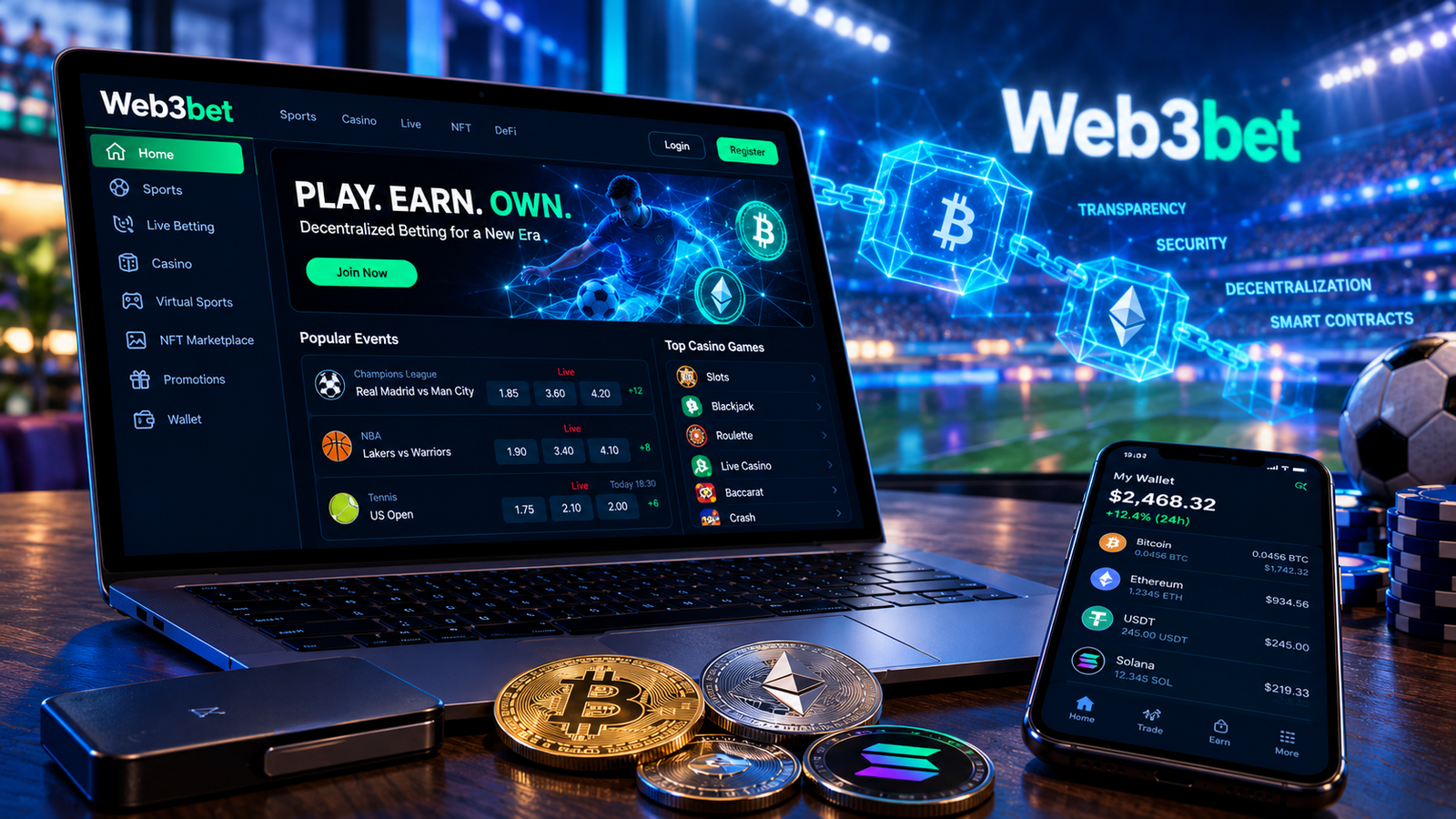
The convergence of blockchain technology and betting platforms offers a remarkable shift in how enthusiasts engage with their favorite activities. Specifically, using decentralized protocols enhances transparency and security, allowing participants to verify transactions independently. As a result, this level of trust builds a stronger relationship between operators and users.
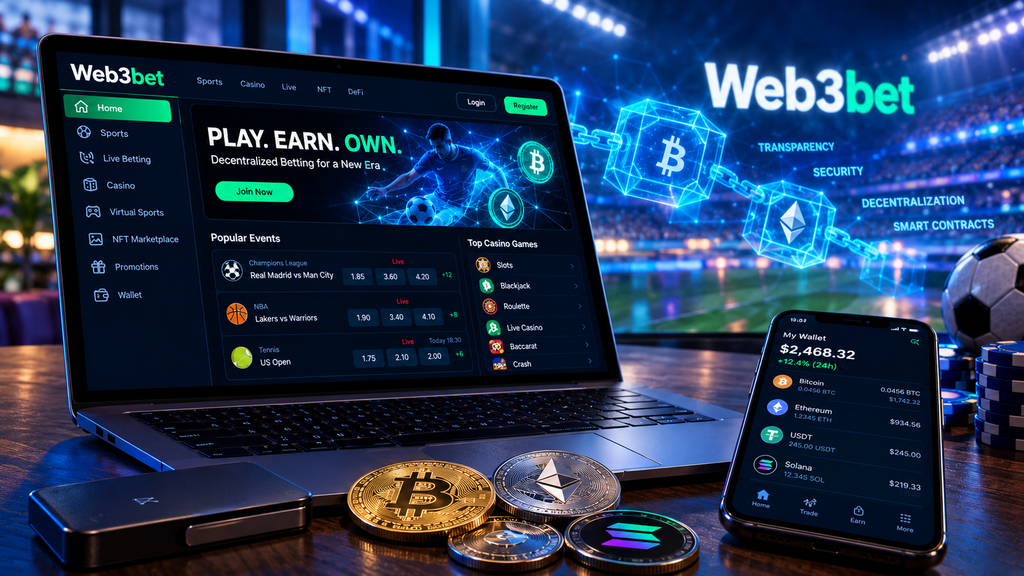
Consider integrating cryptocurrency payments, which can simplify transactions and appeal to a broader audience. Platforms like web3bet can leverage this method to enhance privacy while allowing for quicker deposits and withdrawals.
Some platforms are already adopting these financial solutions, resulting in increased user adoption and satisfaction.
Another area to focus on is the incorporation of smart contracts. These self-executing agreements can automate various aspects of the experience, from payout processes to ensuring fair play.
By reducing human intervention, it also minimizes the risk of fraud and disputes, presenting a more efficient model for participants.
Engagement through gamification elements can also significantly elevate user experience. Strategies such as loyalty programs, challenges, or interactive features promote continuous participation and retention.
This approach has proven successful in various sectors, illustrating how effective it can be in retaining users.
Moreover, leveraging data analytics provides valuable insights into user behavior and preferences. Operators can tailor offerings based on analytical findings, optimizing engagement and satisfaction. Understanding trends and patterns not only improves service but also enhances forecasting for future developments.
How Decentralization is Transforming Betting Platforms
Implementing decentralized technology directly impacts user autonomy on wagering platforms. By eliminating centralized authorities, individuals gain control over funds and transactions.
Blockchain-based solutions allow for transparency in gameplay, ensuring that results are verifiable and tamper-proof. This transparency cultivates trust among users, which is often a considerable hurdle in traditional setups.
Advantages of Ownership
Users now possess true ownership over their assets. With decentralized systems, participants can manage their betting tokens in private wallets rather than relying on a centralized repository.
This significantly mitigates the risk of centralized hacks and fraud, as users do not need to deposit their assets on a third-party service.
- Direct control over funds.
- Reduced vulnerability to cyber-attacks.
- Instant access to assets without intermediary delays.
As transactions occur on public ledgers, each bet becomes part of an immutable history. This records bet placements and outcomes, thus building an undeniable, transparent trace that users can review.
Consequently, platforms that utilize this technology can assure players of a fair experience.
The Role of Smart Contracts
Smart contracts facilitate automated payouts upon reaching predefined conditions, enhancing the overall efficiency of the process. These self-executing agreements remove the need for middlemen, leading to reduced operational costs and quicker transaction times.
The application of such technology also fosters more innovative betting options, expanding potential markets and types of wagers available.
Decentralized applications create inclusivity and democratize access. Individuals from regions with restrictive gambling laws can participate, promoting a more varied participant base.
While traditional platforms often have geographical limitations, decentralized models allow anyone with internet access the opportunity to engage, thus broadening the industry scope.
The Role of Smart Contracts in Secure Transactions
Smart contracts streamline transaction processes by automating the execution of agreements based on predetermined conditions. Utilizing blockchain technology, these self-executing contracts eliminate the need for intermediaries, thereby reducing costs and increasing efficiency.
Implementing these contracts in the betting sector can enhance transparency, as all actions are recorded on a public ledger, ensuring that participants can verify the terms and outcomes independently.
Advantages of Utilizing Smart Contracts
One significant advantage is the enhanced security provided by cryptographic protocols. Unlike traditional transaction methods, smart contracts are resistant to manipulation, fraud, and unauthorized access.
Each contract operates on a decentralized platform, making it nearly impossible for any single entity to alter the transactional data. Additionally, the use of blockchain ensures that all parties have access to the same information, which promotes trust and accountability.
Challenges and Considerations
Despite the benefits, there are challenges associated with smart contract implementation. Misconfigured contracts can lead to unintended outcomes, resulting in potential monetary losses.
Moreover, the immutability of blockchain means that once a contract is executed, it cannot be altered, which can be problematic in cases of error. Rigorous testing and thorough audits are crucial before deploying smart contracts to mitigate such risks.
| Aspect | Smart Contracts | Traditional Contracts |
| Execution | Automated | Manual |
| Intermediaries | None | Required |
| Security | High (Cryptographic) | Moderate (Dependent on third parties) |
| Transparency | Public Ledger | Limited Visibility |
| Modification | Immutable | Can be Amended |
Implementing smart contracts requires a thorough understanding of both blockchain technology and the specific use-case scenarios.
By ensuring that robust development practices are followed, stakeholders can leverage this technology for secure and efficient transactions, paving the way for a more trustworthy environment.

