

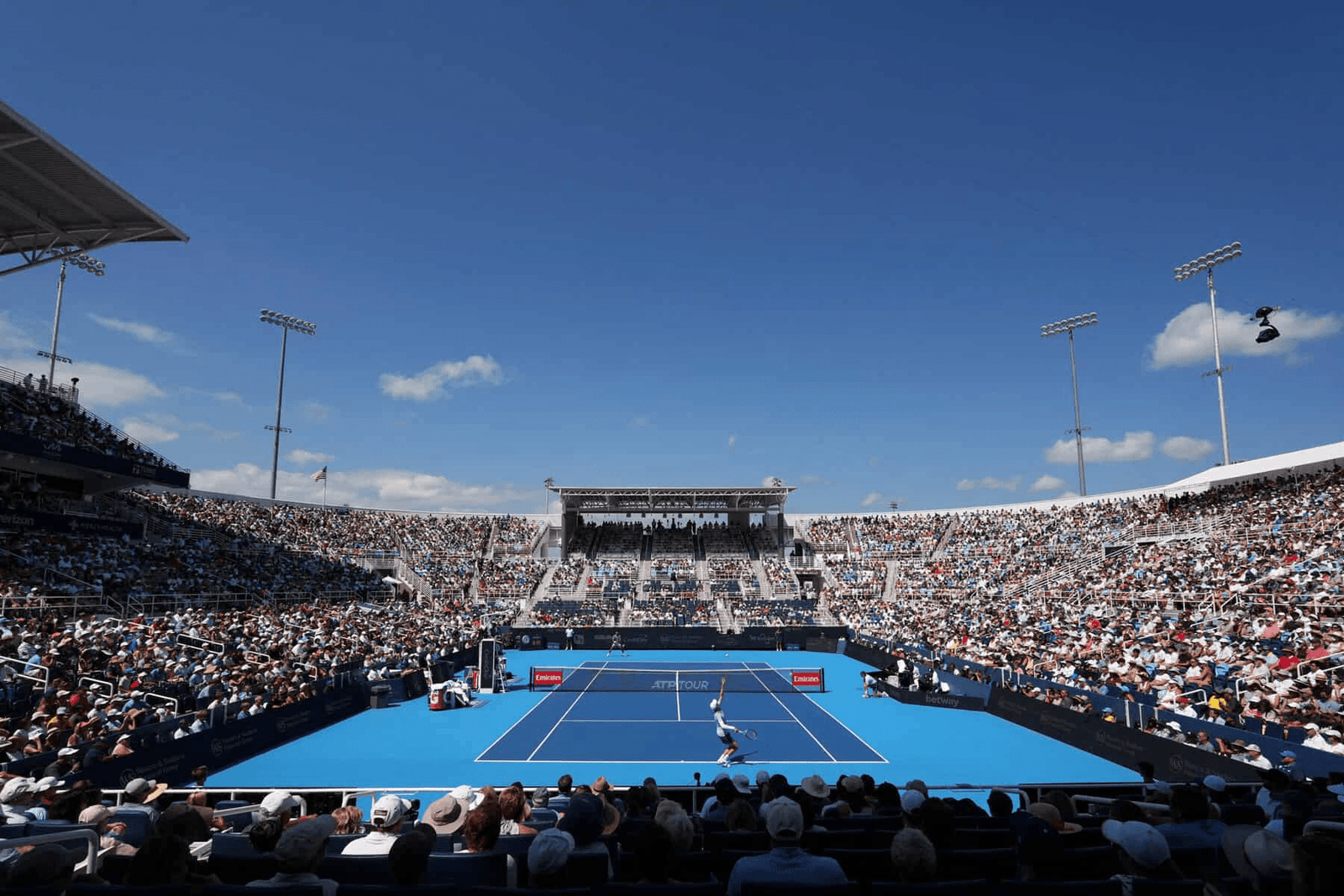
The Cincinnati Open 2026 brings another major test before the US Open, with elite ATP and WTA fields heading to Ohio for outdoor hard-court tennis. Fans following the event through guidebook.betwinner.com can expect nearly two weeks of qualifying, main-draw matches and title races involving many of the biggest names on both tours.
The official competition begins with qualifying on August 11, while the ATP and WTA main draws run from August 13 to August 23 at the Lindner Family Tennis Center in Mason, Ohio. Both singles tournaments feature 96-player fields. Cincinnati is an ATP Masters 1000 and WTA 1000 event, making it one of the most important stops of the North American hard-court swing.
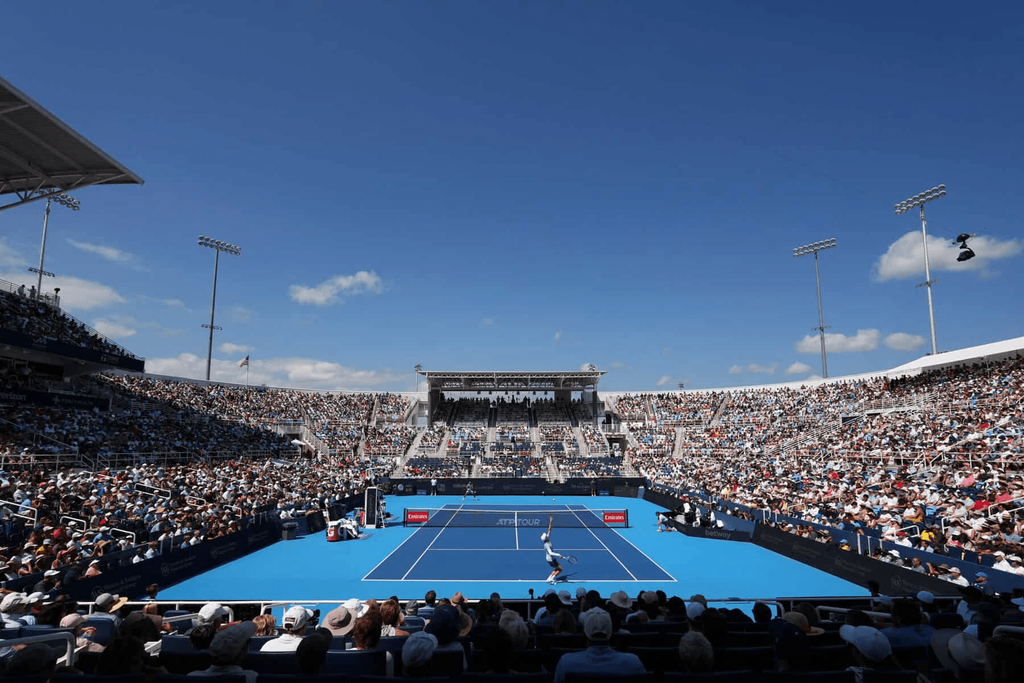
Cincinnati Open 2026 Schedule
There is a small distinction between the event calendar and the competitive schedule. Cincinnati Open activities begin with Community Weekend on August 8–9, but official tennis starts with qualifying on Tuesday, August 11. Main-draw action begins on Thursday, August 13, and both singles champions will be decided on Sunday, August 23.
Publishers and sports-focused platforms preparing coverage around the tournament can also find program information through Betwinner partners while following changes to the order of play and player field.
| Date | Tournament Stage | Scheduled Start |
| August 11 | Qualifying | 10:30 a.m. |
| August 12 | Qualifying | 11:00 a.m. |
| August 13–14 | First Round | 11:00 a.m. day sessions |
| August 15–16 | First / Second Round | 11:00 a.m. |
| August 17–18 | Third Round | 11:00 a.m. |
| August 19 | Round of 16 | 11:00 a.m. |
| August 20–21 | Quarterfinals | 11:00 a.m. |
| August 22 | Semifinals | 11:00 a.m. |
| August 23 | Finals | 2:00 p.m. session start |
Those times are useful for planning, not something to treat as fixed for every court. Match order can move because of weather, long previous matches or changes to the daily program.
US viewers will again have Tennis Channel coverage, while the Tennis Channel App is expected to carry live and on-demand action from the courts. Viewers outside the United States should check the broadcaster serving their own market, since rights differ by country.
ATP and WTA Singles Draw Overview
There is no reason to pretend the first-round matchups are already known. As of August 7, the final 2026 singles brackets had not been released.
That leaves an important gap between the confirmed entry field and the actual draw. Players can still withdraw, seed positions may shift, and qualifiers have yet to earn their places. The full bracket only becomes useful once the official draw ceremony is complete. What is already clear:
- 96 players will enter the ATP singles draw;
- 96 players will enter the WTA singles draw;
- matches are played on outdoor hard courts;
- the men’s champion earns an ATP Masters 1000 title;
- the women’s champion collects 1,000 WTA ranking points.
The 96-player structure also gives the highest seeds a different opening week from lower-ranked entrants. Top names can receive early byes, while qualifiers and unseeded players may have to work through an extra match. That detail becomes important in August.
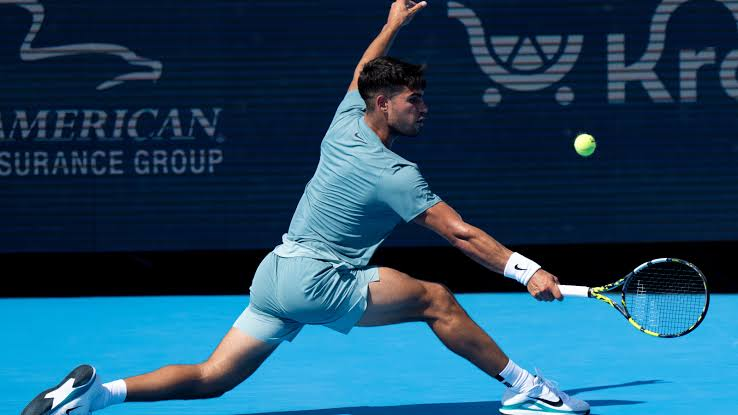
A player arriving from a long Canadian run might value an extra day without match play far more than somebody who has been resting for a week. There has already been one major change to the men’s field. Carlos Alcaraz, the 2025 champion, withdrew in early August while continuing his recovery from a right-wrist injury. He had initially been expected to return in Cincinnati. That comeback will now have to wait.
Top Players to Watch
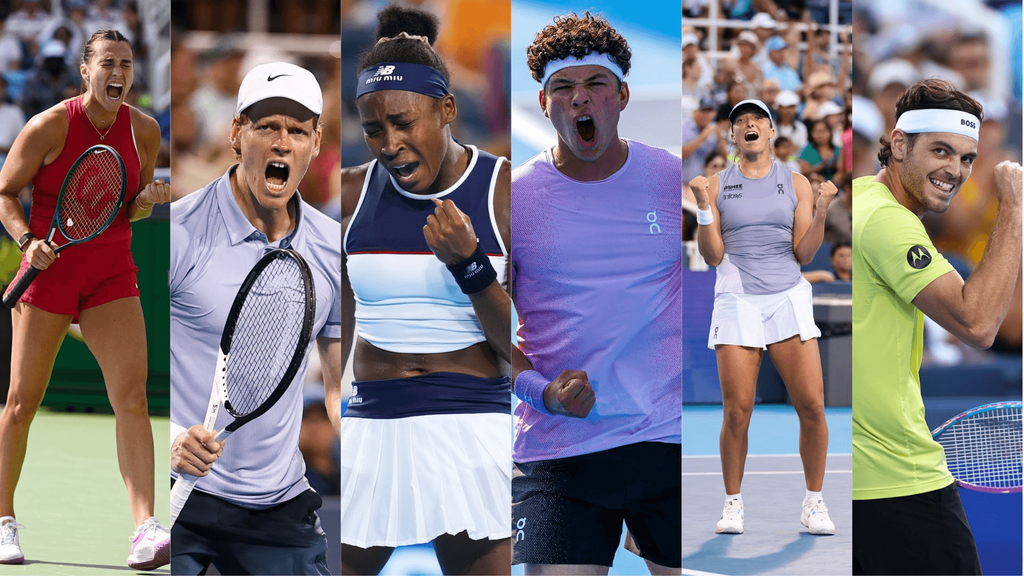
The entry lists give Cincinnati the sort of depth expected from a tournament sitting directly in the build-up to New York. On the men’s side, Jannik Sinner was listed at the top of the field, with Alexander Zverev close behind. Novak Djokovic, Alex de Minaur, Daniil Medvedev, Ben Shelton and Taylor Fritz were also among the leading names.
The WTA field is hardly lighter. Aryna Sabalenka heads a group that also includes Elena Rybakina, Jessica Pegula, Coco Gauff, Mirra Andreeva, Karolina Muchova, Linda Noskova, Iga Swiatek, Amanda Anisimova and Elina Svitolina. That is not simply a list of recognizable names. Several arrive with games particularly suited to a hard-court tournament where taking time away from an opponent can be more useful than building long, patient rallies.
ATP Title Contenders
Four men stand out before the bracket is known:
- Jannik Sinner has already proved that his game works in Cincinnati. He won the tournament in 2024, and his ability to meet the ball early makes it difficult for opponents to settle into comfortable baseline patterns.
- Alexander Zverev won here in 2021. His first serve can get him through tight service games quickly, while the backhand gives him a reliable option when rallies stretch beyond the first few shots.
- Novak Djokovic has three Cincinnati titles. Age and workload naturally become part of the discussion now, but ignoring him in a Masters-level hard-court field would still be a mistake.
- Ben Shelton brings a different kind of problem. The left-handed serve can shorten sets fast, especially if he finds enough first balls to avoid getting dragged into neutral rallies.
Alcaraz would normally be in the middle of that conversation. His withdrawal changes it immediately. One obvious title threat is gone before the draw has even placed the remaining favorites.
WTA Favorites
Picking one clear favorite is harder on the women’s side.
- Aryna Sabalenka has already won Cincinnati and owns the kind of serve that can take a match away from an opponent in a few games.
- Elena Rybakina offers a similar first-strike threat but often looks even more comfortable when points stay short.
- Mirra Andreeva had collected 37 tour-level wins during 2026 by the middle of July, a number that reflects how consistently she has been getting through early rounds.
- Karolina Muchova gives opponents something different. She changes pace, uses more variety and does not need every point to follow the same baseline pattern.
- Iga Swiatek returns as the 2025 champion, so Cincinnati is not just another preparation week for her. There are major ranking points to defend.
Sabalenka may carry the strongest combination of ranking, experience and direct power. Still, this field is too deep to reduce the WTA tournament to one name.
Cincinnati Open 2026 Seeds and Dark Horses
Seed numbers are one part of the tournament that can still move before the draw. Rankings after the Canadian events matter. So do withdrawals. If a player above someone else pulls out late, the order can shift without much warning.
The recent Cincinnati player list placed Sinner first and Zverev second among the men’s entrants. Felix Auger-Aliassime, Djokovic, de Minaur, Medvedev, Shelton, Flavio Cobolli and Fritz were also sitting around the leading positions in the field. The more interesting names may appear a little lower.
- Alexander Bublik can turn a match quickly when the serve and first attacking shot work together.
- Jiri Lehecka has enough pace to bother a higher seed who starts slowly.
- Andrey Rublev remains dangerous when he controls rallies with the forehand.
- Naomi Osaka has the hard-court experience to outperform a modest seed.
- Belinda Bencic takes the ball early and can rush players who prefer extra time from the baseline.
There is always a search-interest angle around large events as well. Sites producing tennis or betting-related coverage may use resources such as https://igaming-seo-agency.com/ when planning pages around competitive sports queries and major tournament periods.
Key Matches and Rivalries to Watch
Until the draw appears, the most interesting matches are possibilities rather than fixtures. Still, several combinations would change the feel of the tournament immediately.
Sinner against Zverev would put one of the cleanest early ball-strikers in the field against an opponent who can protect service games with very few shots.
Sinner against Djokovic would be a different test. Djokovic tends to make even excellent servers play one extra ball, while Sinner prefers to take control before rallies become complicated.
An American meeting between Shelton and Fritz would bring its own tension. Both can win plenty of points behind the serve, so one loose return game could decide an entire set.
Medvedev remains another awkward opponent to place in a draw. His deep return position gives attacking players room in front of him, yet reaching that space without forcing the point too soon is not always simple. The women’s bracket has just as many interesting possibilities:
- Sabalenka vs. Rybakina would be built around first-strike power;
- Gauff vs. Pegula would guarantee a high-profile American matchup;
- Swiatek vs. Sabalenka would put movement and return quality against direct aggression;
- Andreeva vs. Muchova could become one of the more tactical matches of the week.
Tournament Format and Surface Conditions
Cincinnati is played outdoors on hard courts at the Lindner Family Tennis Center. The ATP and WTA singles competitions both use 96-player fields, while the doubles tournaments have 32 teams.
That larger singles format changes the rhythm of the week. Lower-ranked players may need an extra round, and a qualifier who reaches the second week can accumulate a considerable workload before meeting one of the top seeds.
The court itself rewards clean attacking tennis, but serving alone is not enough. Early returns matter. So does taking the ball before an opponent gets fully set behind the baseline. Then there is the Ohio weather.
August can bring heat and humidity, which becomes more relevant with every long match. A player who spent the previous week going deep in Canada may arrive with confidence, but also with several demanding matches already in the legs.
That trade-off is easy to overlook when looking only at rankings.
Predictions for the ATP and WTA Champions
If Sinner remains in the final field and arrives without a physical issue, he is the men’s pick. He has the ranking, a previous Cincinnati title and a game that works naturally on hard courts. Zverev looks like the strongest alternative, particularly after his major breakthrough at Roland Garros earlier in 2026.
The Alcaraz withdrawal is important here. It removes the defending champion and one of the few players capable of changing the entire probability of a Sinner half simply by appearing in it.
For the women’s title, Sabalenka gets the narrow call. She has already won in Cincinnati, entered the summer as World No. 1 and combines a dominant serve with enough return pressure to take control of quick hard-court matches.
Rybakina is the closest alternative, while Andreeva and Muchova have produced enough wins in 2026 to make either a credible champion rather than a speculative outsider.
The final draw could change those predictions quickly. A difficult quarter, a late withdrawal or a long run at the preceding Canadian tournament can matter almost as much as ranking.
For now, Cincinnati 2026 looks set to be less about one overwhelming favorite and more about who reaches the second week with the freshest legs and the cleanest hard-court game.

