

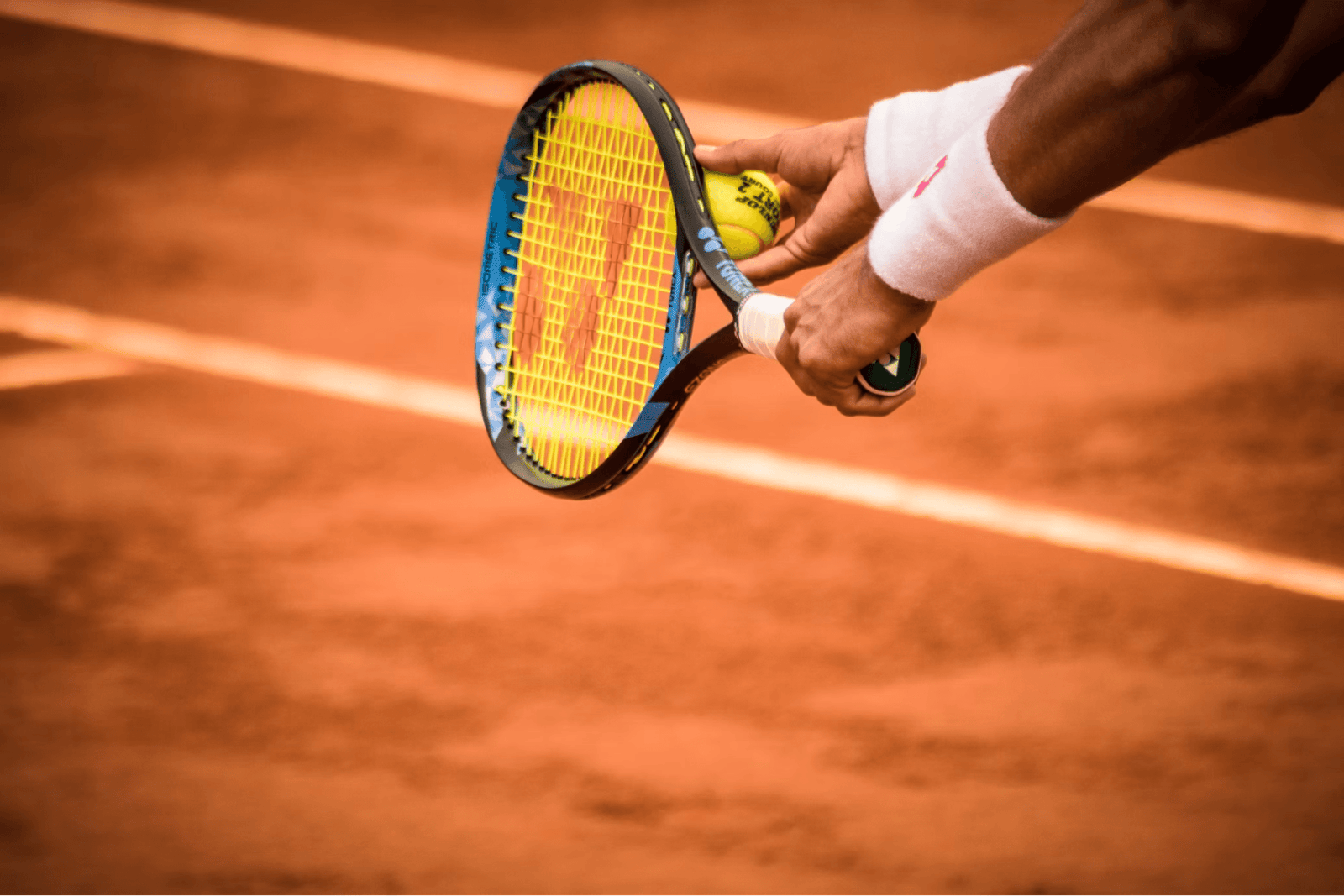
Few could have predicted the path of the 2026 French Open. Carlos Alcaraz withdrew before the tournament, while Jannik Sinner and Novak Djokovic exited early, leaving Roland-Garros with a surprise final picture taking shape and a guaranteed first-time major champion on Sunday.
As Roland-Garros prepares for its final act, the conversation revolves around three key themes: the odds, the stories behind the remaining contenders, and the on-court factors that could decide who lifts the Musketeers’ Cup and claims a first Grand Slam title.
How the Championship Picture Changed So Dramatically
Every Grand Slam produces surprises, but few have seen the men’s draw open up this dramatically. What began as a tournament dominated by established stars quickly became a wide-open race, creating opportunities for players still chasing their first major title.
Alexander Zverev has emerged as the favorite, using his experience and efficient run through the draw to position himself for a breakthrough Grand Slam title. He is also the only remaining semifinalist with Grand Slam final experience heading into Sunday.
The challengers have been equally impressive. Jakub Menšík has enjoyed a breakout run, Flavio Cobolli has continued his rise on clay, and Matteo Arnaldi has relied on resilience and consistency, helping create one of the most unpredictable title races in recent years.
What the Latest Odds Say About the Title Race
The betting landscape has shifted dramatically since the tournament began. With several favorites eliminated, markets have repeatedly adjusted expectations. Looking at French Open Odds, one theme stands out: experience still carries significant weight.
Zverev enters the final stages as the player many expect to beat. His deep Grand Slam runs, strong clay-court résumé, and experience handling high-pressure matches have helped separate him from the remaining contenders. He is also chasing his first major title.
The challengers, however, bring momentum and confidence. Menšík has emerged as a breakout star, Cobolli has collected career-defining wins, and Arnaldi has shown remarkable resilience. History may favor experience, but Grand Slam finals often reward fearless players.
The Storylines That Could Define Sunday’s Champion
Statistics matter, but Grand Slam finals are often defined as much by their stories as their numbers. Several compelling narratives have emerged ahead of the final.
Zverev’s Best Chance Yet
For years, Zverev has carried the label of being one of the best players never to win a Grand Slam title. His talent has never been in doubt, but injuries, difficult draws, and painful defeats have repeatedly prevented him from taking the final step.
This tournament may represent his clearest opportunity yet to change that narrative. With every victory, however, comes greater pressure, as the prospect of a long-awaited breakthrough major title moves closer to becoming reality.
A New Generation Knocking on the Door
Menšík represents the next wave of ATP talent. The 20-year-old Czech has emerged as one of the tournament’s biggest surprises. His confident performances have shown he belongs on the sport’s biggest stage.
His run through Paris has demonstrated more than raw potential. It has revealed maturity, tactical awareness, and a willingness to embrace big moments. A title would instantly transform him from promising prospect into Grand Slam champion.
Italy’s Remarkable Rise
Cobolli and Arnaldi symbolize the continued growth of Italian men’s tennis. Their deep runs highlight the country’s growing strength on the ATP Tour and a rising generation of talent.
Italy has steadily produced elite talent over the past decade. Seeing two Italians competing for a place in the French Open final highlights the strength of that development pipeline and signals a bright future for the sport in the country.
The On-Court Factors Most Likely to Decide the Final
Storylines may dominate the headlines, but the final will ultimately be decided on the court. Several technical factors could prove decisive on Court Philippe-Chatrier.
Who Controls the Baseline Exchanges?
Clay rewards patience and point construction more than any other surface. Unlike grass or hard courts, players cannot rely on quick points consistently, making long rallies and smart shot selection essential over five sets.
Success often comes down to discipline from the baseline. The player who can control rallies without forcing low-percentage shots will hold a significant advantage.
The Importance of Serve and Return Performance
Serving still matters at Roland-Garros. First-serve percentage and second-serve reliability can determine who controls service games and avoids unnecessary pressure.
The return game is equally important. Break-point conversion and return depth often create the small advantages that decide matches over five sets. Strong returning can also neutralize even the biggest servers on clay.
Movement Matters More on Clay
Elite clay-court movement can be a major advantage. Players who slide efficiently, recover quickly, and change direction smoothly can extend rallies and turn defense into offense, often frustrating opponents who think they have already won the point.
Endurance Could Be the Hidden Deciding Factor
Grand Slam finals test endurance as much as skill, making freshness a potential advantage before the first ball is struck. The physical demands of clay and a long tournament can take their toll by the final weekend in Paris.
Key questions entering Sunday include:
- Who has spent the least time on court?
- Which player recovered best from the semifinals?
- Has anyone shown signs of fatigue or cramping?
- Who thrives in extended rallies?
Matches at Roland-Garros frequently push beyond three hours. Fresh legs become increasingly valuable with every passing set. Recovery can become a deciding factor. Time spent on court often matters during championship week.
Weather, Court Conditions and Other Variables Worth Watching
Conditions in Paris can subtly influence the outcome of a match. Weather affects everything from ball bounce to court speed, making it an important factor heading into the final. Even minor changes in conditions can influence tactics and shot selection.
Warm, dry conditions typically produce faster clay courts and higher bounce, often favoring aggressive players. Cooler or heavier conditions tend to slow the court, leading to longer rallies and rewarding patience from players who thrive in extended baseline exchanges.
Players and coaches closely monitor these variables because they can shape match strategy from the opening game. Fans can follow the latest tennis news and trends for updates on player fitness and conditions before the championship match begins.
Awaiting a New Name on the Musketeers’ Cup
The 2026 French Open has delivered surprises from the opening rounds through championship weekend. Established stars departed early, new contenders emerged, and the men’s draw transformed into one of the most unpredictable Grand Slam stories in recent memory.
One certainty remains. When play concludes on Sunday, a first-time major champion will stand on Court Philippe-Chatrier. Whether experience prevails or a breakthrough star completes a remarkable run, this final promises to be a significant moment in men’s tennis.

