

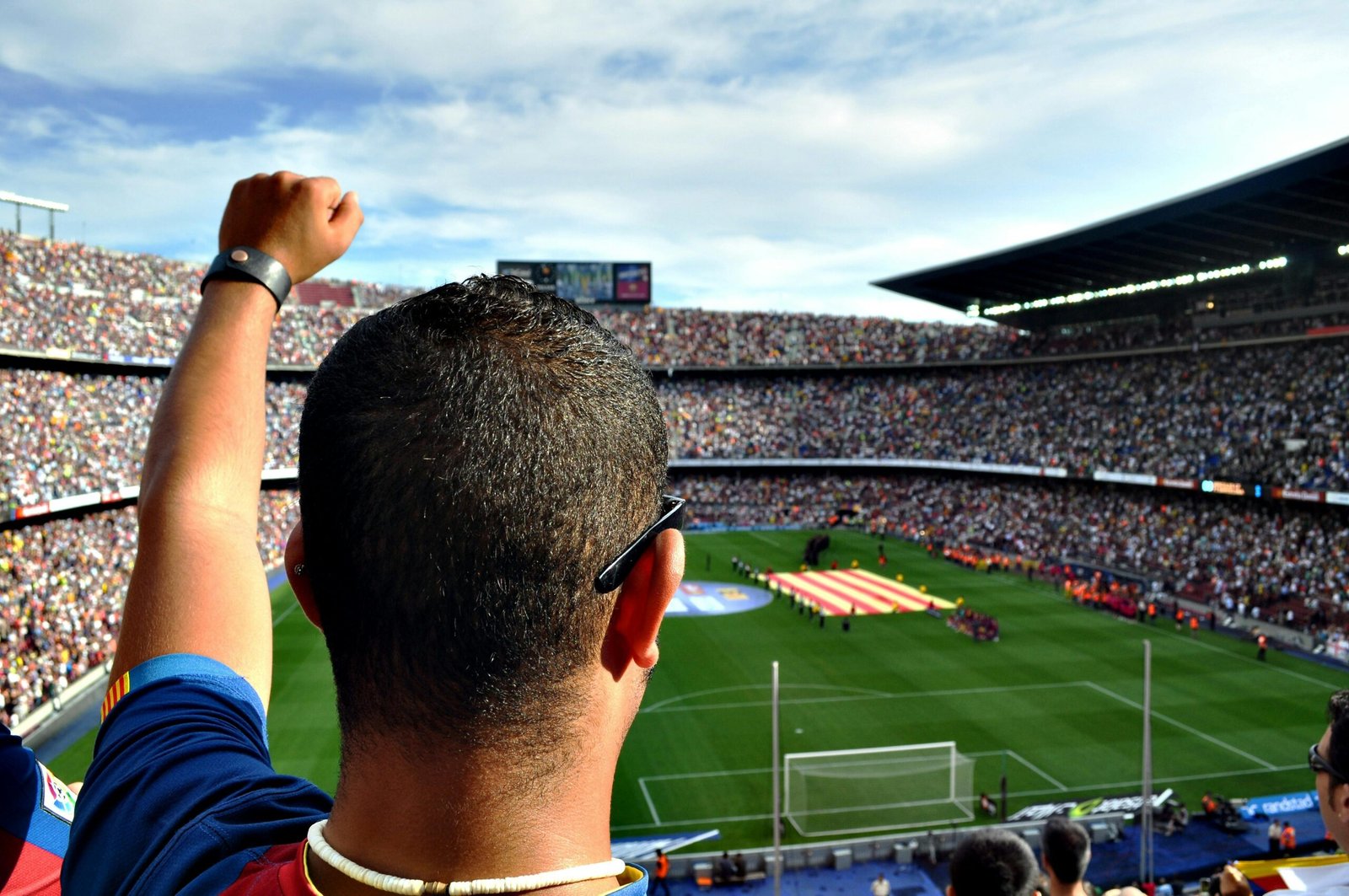
Barcelona’s latest La Liga title felt bigger than another trophy, with Hansi Flick’s evolving side overpowering Real Madrid and reinforcing the feeling that a new era has fully arrived at Camp Nou.
Barcelona did not merely win La Liga again. They took control of the season long before the title became official, turning the Spanish title race into something that increasingly felt inevitable. By the time Real Madrid arrived at Camp Nou needing a miracle to keep the league alive, the atmosphere around Hansi Flick’s side already carried the weight of a champion.
The 2-0 Clasico victory only confirmed what months of football had already suggested. Barcelona are no longer a talented young side learning how to compete at the top level. They have become one of the most complete teams in Europe, combining tactical intelligence, academy development and emotional composure in a way few clubs currently manage.
Why Barcelona’s Clasico triumph resonated beyond Spain
Title-deciding football matches often leave emotional scars or unforgettable memories behind them. Barcelona’s victory over their greatest rivals in May felt bigger than a routine title-clinching result because of the authority with which it arrived.
The result itself mattered. The manner of it mattered even more.
Barcelona pressed aggressively from the opening whistle, scored early through Marcus Rashford, and never allowed Madrid to settle into the contest. The speed of their attacking combinations, particularly through Ferran Torres and Dani Olmo, exposed a Madrid side that looked uncertain whenever Barcelona accelerated possession through central areas.
For readers wanting a detailed breakdown of the title-clinching performance, including Rashford’s decisive free-kick and the emotional backdrop surrounding Flick after the death of his father, more context can be found here. The report from CasinoNews.io also captures the celebratory atmosphere surrounding the night, with Barcelona sealing back-to-back titles in the Spanish top flight.
The match immediately became one of the defining football stories of the European season. It was not simply about Barcelona winning another league title. It was about the feeling that a new version of the club had fully arrived.
Flick’s Barcelona are more flexible than many expected
Barcelona still carry the traditional identity associated with the club. There is still positional play, technical midfield control and patience in possession. Yet Flick has introduced something more aggressive into the structure.
At various moments this season, Barcelona have resembled a classic 4-3-3 side. At others, they have looked closer to a 4-2-3-1 built around movement between the lines and rapid vertical attacks. That fluidity has become one of their biggest strengths.
The second goal against Madrid captured it perfectly. Torres drifted into deeper areas before attacking space centrally, while Dani Olmo made a run beyond the forward line almost unexpectedly. Defenders struggled to decide who to follow and who to leave. Within seconds, Barcelona had moved from controlled possession into a decisive scoring move.
This unpredictability has become central to why Barcelona are so difficult to manage over 90 minutes. Opponents can prepare for one structure and still find themselves pulled apart by something slightly different once the match begins.
La Masia has restored the club’s identity
The tactical side is only part of the story. Barcelona’s academy has once again become the emotional heartbeat of the club.
Lamine Yamal remains the clearest example. Even in a season interrupted by injury problems, the starlet continued producing moments capable of altering major matches. Defenders know what he wants to do and still struggle to stop him once he isolates them in wide areas.
The Barcelona attacker’s performances this season have already pushed him into serious Ballon d’Or discussion at around 10/1, while a Yamal-led Spain side are also viewed at roughly 9/2 among the strongest contenders for the 2026 World Cup.
For all of Yamal’s talent, Barcelona’s revival has not depended on one player.
Fermin Lopez has grown into an increasingly intelligent attacking midfielder. Pau Cubarsi has shown maturity well beyond his age. Marc Bernal and Gerard Martin have both handled pressure that would overwhelm many older players.
That collective emergence has changed the feeling around the club. Barcelona no longer feel trapped between rebuilding for the future and competing in the present. They are doing both simultaneously.
There is now a stronger connection between the first team and the wider identity of the club. Fans can recognize where these players came from and how naturally they fit the demands of Barcelona’s style.
Real Madrid’s decline became impossible to ignore
Barcelona’s excellence also exposed how unstable Madrid became across the campaign.
There were warning signs earlier in the season when Madrid began dropping points in matches they would normally control comfortably. Injuries hurt them, but uncertainty around the squad also became visible. Tactical consistency disappeared and frustration increasingly replaced authority.
By the time the decisive Clasico arrived, Madrid already looked like a side reacting to events rather than dictating them.
Barcelona sensed that hesitation immediately.
Rashford’s early goal transformed the atmosphere inside Camp Nou, but it also reinforced something larger. Madrid no longer carried the psychological certainty that defined many of their greatest teams. Barcelona, meanwhile, played with growing confidence every week.
The pressure on Madrid to make the right decision in the Bernabeu dugout now feels enormous.
Barcelona’s rise feels sustainable rather than temporary
Many title-winning sides fade quickly after one exceptional season. Barcelona do not currently look like one of them.
Flick has created a squad capable of rotating without losing intensity. Younger players continue developing. The tactical framework already feels established. Even setbacks during the campaign rarely damaged momentum for long.
There is also room for further growth.
Barcelona still want another Champions League title. Injuries exposed weaknesses during their European campaign and there will almost certainly be additions during the next transfer window. Yet the broader picture remains encouraging.
This team already plays with the assurance of an elite side. The frightening part for rivals may be that several of Barcelona’s most important players are still years away from their peak.
That is why their latest Clasico victory resonated beyond Spain. It did not feel like the end of a successful season. It felt like the continuation of something much larger.

