

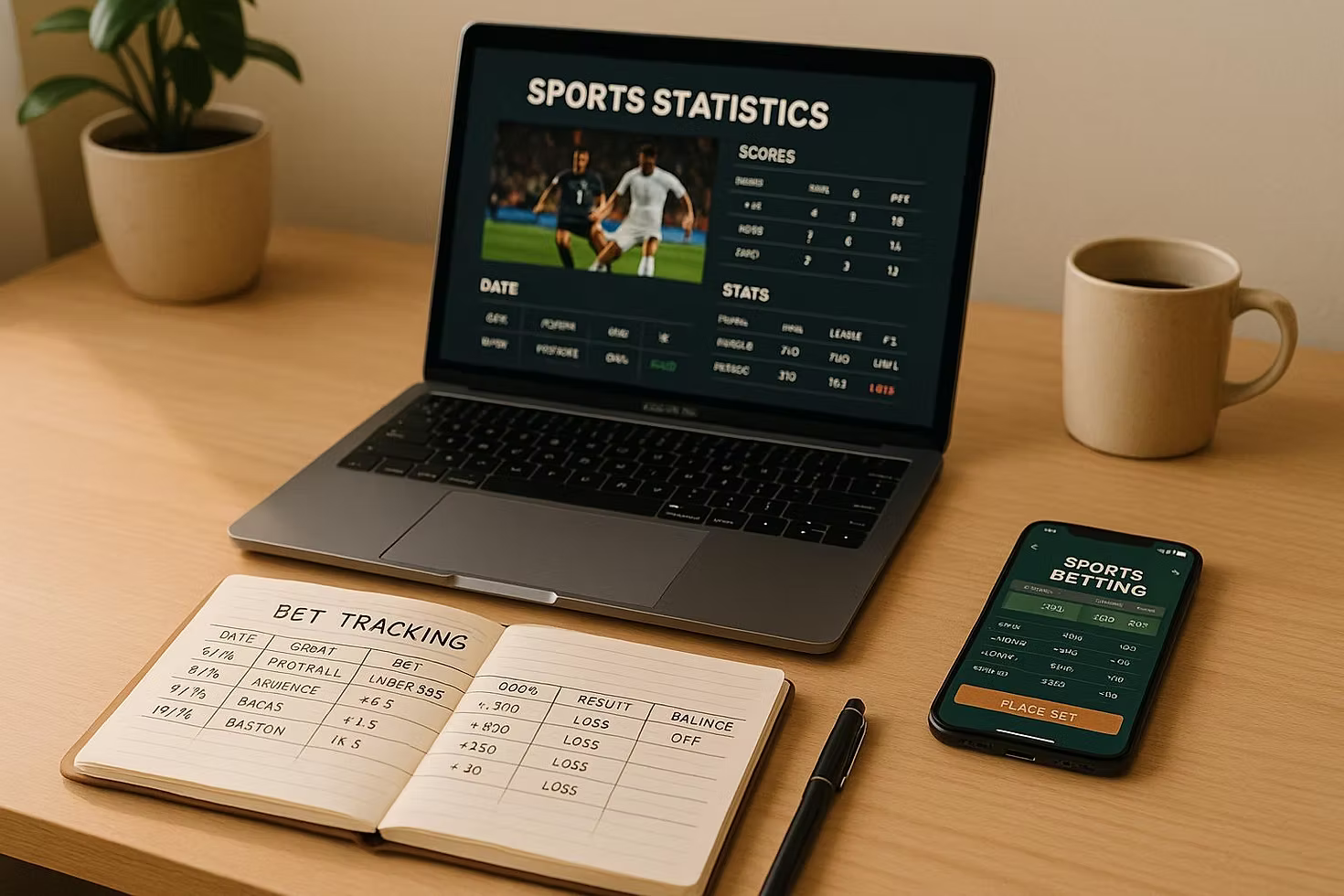
For many football lovers, the weekend starts before the opening whistle is blown. It starts with preparation. Not elaborate preparation, but rather the routine that is built up over years of watching games, gauging form, and recognizing how easily emotions can influence decision-making.
Experienced bettors don’t rush against the odds and do not necessarily jump at the first price offered. They prefer information. Friday night might mean reviewing injury reports, studying team information gleaned from press briefings, and monitoring how betting agencies react to odds. An injured striker or a defensive collapse can shift the odds quickly, and many fans may not realize it.
That early research is rarely glamorous. It is a mixture of statistics, instinct and small pieces of football knowledge built up over time.
Preparing Before the First Kickoff
The most disciplined bettors approach Saturday morning almost like a small research session. They review fixtures carefully rather than focusing only on the biggest matches.
Some study recent forms in detail. A mid-table team that has quietly collected points over the past month can often be underestimated by the wider market. Others pay attention to scheduling. A club that played a difficult European match on Thursday night may look sharp on paper but arrive on Saturday with tired legs.
Weather, travel and fixture congestion are small details that can shift a match in subtle ways. Heavy rain can slow attacking teams. A long midweek journey can affect concentration late in the game.
None of these factors guarantee an outcome. But they help bettors build a clearer picture of the match before a single ball is kicked.
Managing the Bankroll
Perhaps the least glamorous habit in betting is also the most important. Bankroll discipline.
It sounds simple, yet it is where many casual bettors struggle. The temptation to double stakes after a loss or chase a dramatic accumulator can quickly disrupt a careful strategy.
Seasoned bettors tend to treat their bankroll with the same caution a trader might apply to a financial portfolio. A small percentage of the bankroll is used for each wager. Wins and losses are absorbed without panic.
The goal is longevity rather than excitement.
This approach can feel slow, especially during weekends when multiple matches tempt bettors with endless opportunities. But patience is often what separates sustainable betting from impulsive gambling.
Reading the Market
Another quiet skill within the weekend routine is observing how odds move.
Odds are not often changed without reason. For instance, a sudden drop in odds could be a sign of significant betting activity from knowledgeable punters or team information that is being leaked in betting circles. Paying attention to such changes could be a good way of knowing where people are putting their money.
However, experienced punters understand that at times, the market could be wrong. This is because a significant change in odds could simply be a result of emotions and not necessarily based on facts. Knowing when to believe in the market and when not to is part of the skill set
Avoiding Emotional Bets
Emotion still remains the greatest challenge for bettors. Loyalty to a favorite club, disappointment after losing a bet, or euphoria after winning a major bet can all influence a bettor’s judgment. Many bettors have learned with experience that being loyal to a club and betting on that club are two different things.
A disciplined bettor tries to detach personal feelings from the decision. If the numbers and form suggest avoiding a match involving their own club, they walk away. The match can still be enjoyed as a supporter without introducing financial stakes.
Learning to recognise emotional impulses is often one of the most valuable lessons in betting.
The Hours Between Matches
One aspect of betting that rarely receives attention is the time between games. A standard Saturday may range from early-afternoon kickoffs to late-evening fixtures. For bettors with interest in numerous leagues, there can be a sense that there is an unexpectedly long time between matches.
This is often where discipline is tested.
During this time, some bettors can use this time to review previous wagers and study upcoming fixtures. Other bettors will use this time to step away from the computer screen. A break can do wonders in recalibrating the mind after a stressful match. In this time, many bettors will engage in other forms of gaming as well. Casual games, puzzles or quick online entertainment provide a way to pass the time without committing to another football wager.
You will often find that sports betting and casino betting, for a lot of players, intertwine. With platforms offering both sports and casino markets on 1 platform, it is seamless for a player to be able to enjoy both simultaneously. One minute you’re checking out the in-play football market, the next you are playing slingo at BOYLE Casino while waiting for the next round of matches to begin.
Handling the Emotional Swing
Football betting carries an emotional rhythm that experienced bettors learn to manage carefully. A last-minute goal can transform a winning bet into a loss. A missed penalty can ruin what seemed a certain result.
The key is learning not to react too quickly.
Successful bettors rarely change their approach based on a single result. A losing bet is analysed calmly rather than emotionally. Was the reasoning sound? Did unexpected circumstances influence the outcome?
If the analysis remains valid, the bettor moves forward without panic.
Avoiding Tilt
In betting circles there is a term borrowed from poker: tilt. It describes the moment when frustration replaces logic and decisions become reactive.
Tilt often appears after a sequence of unlucky results. A bettor begins increasing stakes, chasing lost wagers or placing impulsive bets simply to recover quickly.
Experienced bettors recognise these warning signs early. When emotions begin to rise, the most sensible decision is often to stop for the day. The fixtures will return next weekend.
The Quiet Craft of Betting
To outsiders, betting sometimes appears to revolve around dramatic wins or spectacular losses. In reality the routine of a seasoned bettor is far more methodical.
Research. Patience. Small stakes. Careful observation.
The enthusiasm for football is still a key part of the experience; however, the behavior that accompanies it is surprisingly subdued. The weekend ritual changes from seeking luck to seeking knowledge of the game.
As the final whistle blows on Sunday night, the bettor closes the statistics page and begins preparing for the next set of fixtures in complete silence after perusing the results.

