


Beyond Borders: Foreign Players Eligible to Play for Nigeria
Football is not just a sport in Nigeria; it is almost a civic religion. From dusty pitches in Jos to packed stadiums in Lagos, the game pulls together millions who may disagree on everything else but football. Yet over the past fifteen years, something new has been unfolding — a quiet revolution led by foreign players eligible to play for Nigeria.
They were born in London, Rotterdam, Hamburg, or Toronto, but the rhythm of Nigerian football has always been in their homes: the Sunday jollof, the uncles yelling “Eagles go soar!”, the green-white scarves in family photos. Many of these men have grown up speaking with British or Dutch accents, but when the national anthem plays, they know exactly where they belong.
This generation is reshaping how the world sees the Nigeria Super Eagle — not just as a team of homegrown stars but as a family of players scattered across continents. They bring European precision, African heart, and the confidence of two worlds colliding in the best way possible.
And for readers who follow global football and love a bit of competitive thrill, betfm casino offers the same rush — that mixture of chance, passion, and split-second drama that defines every Super Eagles match.
The Rules: How a Foreign Player Can Represent Nigeria
Behind every dual-national footballer’s story lies a set of laws, and FIFA’s eligibility rules are surprisingly human once you strip away the legal jargon. A player can wear Nigeria’s colors if he was born there, if his parent or grandparent was, or if he’s lived in the country for five continuous years after turning eighteen.

The turning point came in 2021, when FIFA eased its “one-nation” restrictions. Young players who once appeared for another country’s youth team could now switch allegiance — as long as they hadn’t played more than three senior competitive matches before the age of 21. Overnight, dozens of footballers with Nigerian heritage suddenly had a real choice.
That change was a gift to the Nigeria soccer players’ program. Many dual nationals who had worn the youth shirts of England or the Netherlands began re-thinking their futures. The Nigeria player scouting network, backed by the NFF, started reaching out — emails, phone calls, family visits — to show that the Super Eagles were not just an option but a homecoming.
It’s a legal process, yes, but more importantly, it’s emotional. Choosing Nigeria is often about roots, respect, and the pull of identity stronger than any passport.
Why Nigeria Is Interested: Strategic Value for the Super Eagles
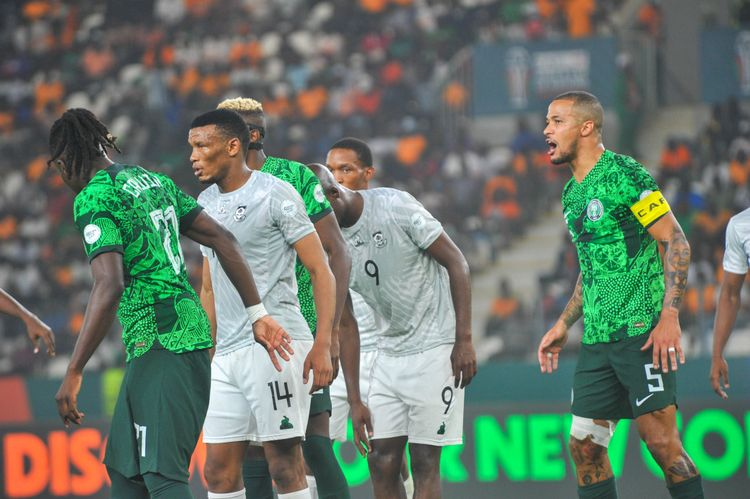
Nigeria’s football reputation has always been tied to raw talent — the street-trained forward, the fearless winger, the midfield artist who never gives up. But in today’s hyper-professional world, talent alone doesn’t guarantee victory. To compete with the tactical systems of Europe and South America, Nigeria needs players who have lived that football education from birth.
That’s where the foreign-born generation comes in. Many of them — like Michael Olise or Nathan Tella — grew up in world-class academies. Their positioning, fitness, and game management reflect years of structured training. When those skills mix with the instinctive flair that Nigerian players naturally possess, you get something special: football that is both disciplined and unpredictable.
As NFF president Ibrahim Gusau told The Guardian Nigeria in May 2024: “Every Nigerian, no matter where they were born, deserves the chance to represent the Super Eagles if their heart is with us.”
That philosophy now guides the federation’s approach. The scouting team maintains a running list of eligible players, monitoring leagues from Germany to Canada. For coaches, the goal is clear: build a squad that blends loyalty, technique, and identity rather than drawing a line between “home” and “abroad.”
Below is a quick look at some well-known foreign players eligible to play for Nigeria and where they stand today:
| Player | Birthplace | Club / Country | Eligibility link | Status |
| Michael Olise | London, England | Crystal Palace (ENG) | Nigerian father | Eligible – undecided |
| Gabriel Osho | Reading, England | Luton Town (ENG) | Nigerian parents | Eligible |
| Joshua Zirkzee | Schiedam, Netherlands | Bologna (ITA) | Nigerian mother | Eligible – Dutch youth international |
| Chuba Akpom | London, England | Ajax (NED) | Nigerian parents | Switched to Nigeria |
| Nathan Tella | Lambeth, England | Bayer Leverkusen (GER) | Nigerian parents | In Super Eagles consideration |
Each name tells a different story — a conversation at the dinner table, a call from a national coach, a decision that feels both thrilling and terrifying.
Who Are These “Foreign” Nigerians? The Faces Behind the Flag
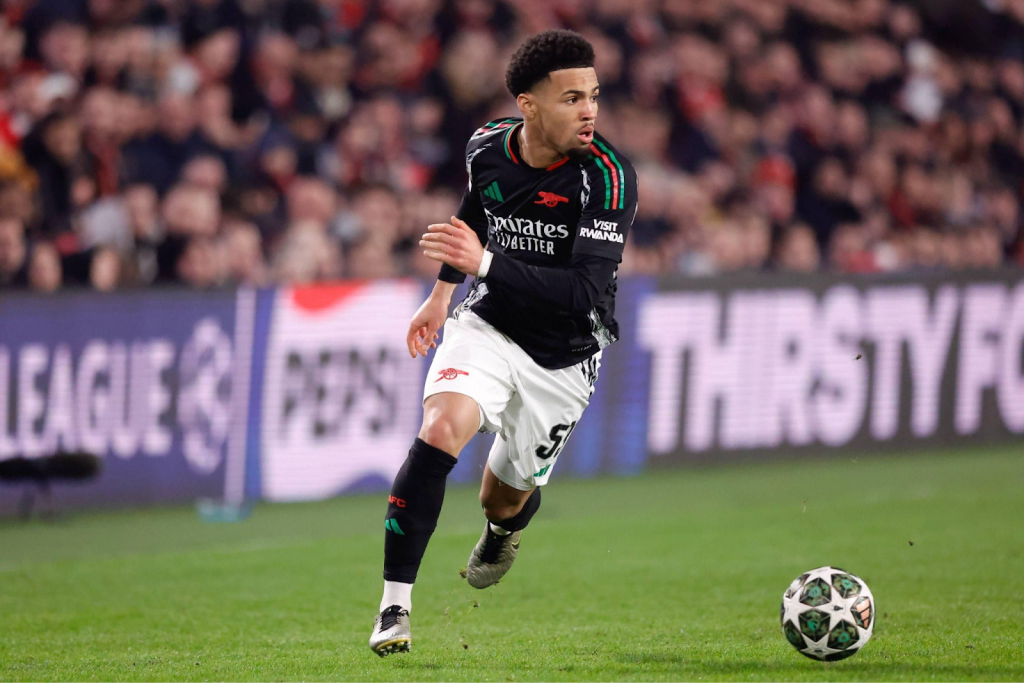
Statistics never capture the full picture. Behind every dual passport is a heartbeat and a story.
Take Alex Iwobi. Born in Lagos, raised in London, shaped by Arsenal’s academy, he could have worn England’s shirt. Instead, he chose Nigeria. “Nigeria made me who I am,” he told BBC Sport Africa in 2022. That one sentence sums up what eligibility truly means — not paperwork, but belonging.
Or Ola Aina, another London-born defender who once represented England’s youth sides. When he joined Nigeria’s national team, he brought with him not only Premier League discipline but also an emotional connection to his parents’ homeland. The same goes for William Troost-Ekong, raised in the Netherlands but now one of Nigeria’s most vocal captains.
To simplify, these players fall into two clear groups:
- Confirmed Switches – Iwobi, Aina, Troost-Ekong, Akpom: already Super Eagles regulars.
- Potential Stars – Olise, Zirkzee, Osho, Tella: still eligible, still deciding which anthem to stand for.
Each new commitment strengthens not only the team but also Nigeria’s idea of itself — a global nation with roots everywhere. For some, the phrase white Nigerian footballers might sound contradictory, yet in modern football it’s a symbol of how identity keeps evolving without losing its core.
Success Stories: When Foreign-Born Players Became Super Eagles Heroes
Some stories in football are written on paper, others are written in the heart. For Nigeria, the best chapters have often come from men who could have played for someone else—but didn’t. They chose the green jersey because it felt like home.
Alex Iwobi is one of those names. Born in Lagos, raised in London, nephew of the legendary Jay-Jay Okocha, he represents the perfect bridge between generations. When he debuted for the national team in 2015, it wasn’t just another cap; it was a symbol that Nigeria could still claim its global sons. Since then, he has become one of the most creative Nigeria soccer players, turning games around with quiet precision.
William Troost-Ekong, born in the Netherlands, carries himself with the calm of a European captain but the soul of a Nigerian defender. His leadership during the AFCON campaigns reminded fans that heritage is not measured in miles but in pride. Ola Aina, once part of Chelsea’s youth setup, is another reminder that decisions of the heart often outlast those of logic.
In each of these cases, the same pattern emerges: family conversations, community pride, and a phone call from the Nigerian Football Federation. There’s always that moment when a young man looks at his parents and says, “I’m ready to play for Nigeria.” And just like that, another chapter begins in the global story of the Nigeria player identity.
The Other Side: The Challenges and the Doubts
If football were only about passion, the decision would be easy. But choosing which flag to represent can come with pressure and politics. Some foreign-born players face backlash—accused of being outsiders by a small but vocal group of fans who question their “authenticity.” Others deal with red tape: endless documents, FIFA clearances, and dual-citizenship bureaucracy.
Then there’s the question of loyalty. Coaches sometimes hesitate to build around players who might hesitate in return. After all, national pride cannot be forced; it has to come naturally. Even within Nigeria, youth teams occasionally adopt strict rules that favor home-based players, as seen in 2023 when the U-17 selection temporarily excluded foreign-born talents. The decision sparked debate but reflected a deeper issue: how to balance identity and opportunity.
Another real concern is timing. Some players wait too long, hoping for a call from European federations, and by the time they realize their best path lies with Nigeria, the competition for national slots has grown fierce. The NFF understands this dynamic, which is why they now move faster to reach dual-national athletes in their early careers.
In truth, these challenges are signs of progress. They show that Nigeria has become a global football brand—one that every eligible player must now seriously consider.
What the Future Super Eagles Could Look Like
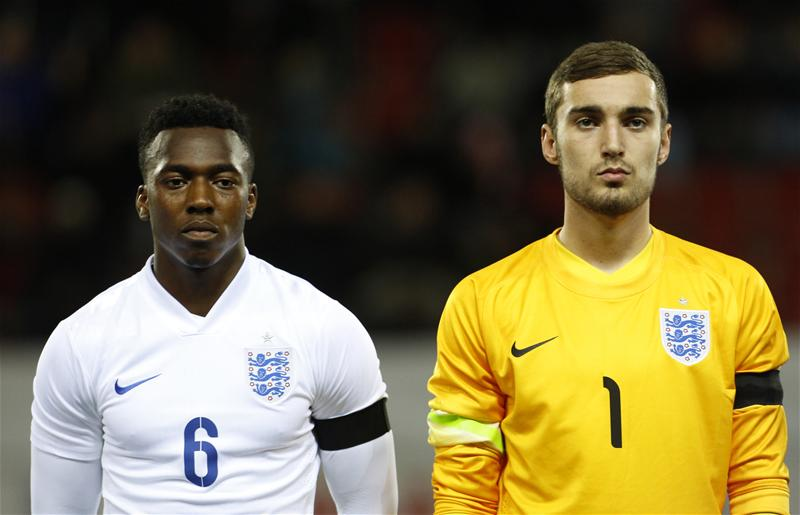
Imagine the next decade: a Nigerian team blending the rhythm of Lagos with the precision of London. It’s not fantasy—it’s already taking shape. If every top eligible player joined, the potential starting eleven could rival any African powerhouse and challenge mid-tier European teams.
Observers often imagine a hypothetical “dream squad” filled with dual-national stars. It could feature Michael Olise and Nathan Tella on the wings, Troost-Ekong and Aina at the back, Zirkzee leading the line, and Iwobi pulling the strings in midfield. That team would reflect both the homeland and the diaspora—a new generation of white Nigerian footballers and African-born stars fighting for the same crest.
But the goal is not only trophies. It’s also about redefining what it means to be Nigerian in sport. The world has changed: nationality is no longer a single story. For these athletes, identity is layered—heritage, birthplace, and belonging coexisting in a single heartbeat. The NFF’s job now is to manage that diversity with care, ensuring that every player who joins the Nigeria Super Eagle family feels accepted, not merely recruited.
Conclusion — A Global Team for a Global Era
The Super Eagles’ future lies not just in finding players, but in connecting stories. The children of immigrants, born in distant cities yet shaped by Nigerian values, are becoming the new face of the national team. They bring ambition without borders and emotion without compromise.
When these men step onto the pitch in green and white, they carry two worlds on their shoulders—and somehow make it look effortless. For them, football isn’t about choosing one identity over another; it’s about honoring both. That’s why Nigeria’s national team feels so alive today: it mirrors the nation itself, vast, diverse, and endlessly determined.
FAQ — About Foreign Players Eligible to Play for Nigeria
1. How can a player become eligible to represent Nigeria?
A player can represent Nigeria if they were born in the country, have Nigerian parents or grandparents, or have lived in Nigeria for five years after turning eighteen. FIFA’s 2021 reforms also allow one-time nationality switches under certain conditions.
2. Why do so many dual-national footballers choose Nigeria over European teams?
Most cite emotional ties and cultural pride. For many, the decision comes from family influence—parents who still call Nigeria “home.” Others see more consistent opportunities for international football with the Super Eagles.
3. Does Nigeria actively recruit eligible foreign players?
Yes. The NFF maintains a global scouting network across Europe and North America. Officials often contact players directly or through family and agents, offering support with documentation and integration.
4. Are there disadvantages to recruiting foreign-born players?
The main issue is cohesion. Some critics argue that players raised abroad may need time to adjust to local styles, climate, and travel routines. However, the benefits of tactical experience and professionalism usually outweigh these hurdles.
5. What happens if a player has already represented another country?
If it was only at youth level, they can still switch to Nigeria after FIFA approval. But players who have appeared in more than three senior competitive matches for another nation before turning 21 cannot change allegiance.6. Are there examples of “white Nigerian footballers”?
Yes, though rare. Dual-heritage players such as William Troost-Ekong or others of mixed background embody this growing diversity. Their inclusion reflects how global the idea of Nigerian identity has become.

