

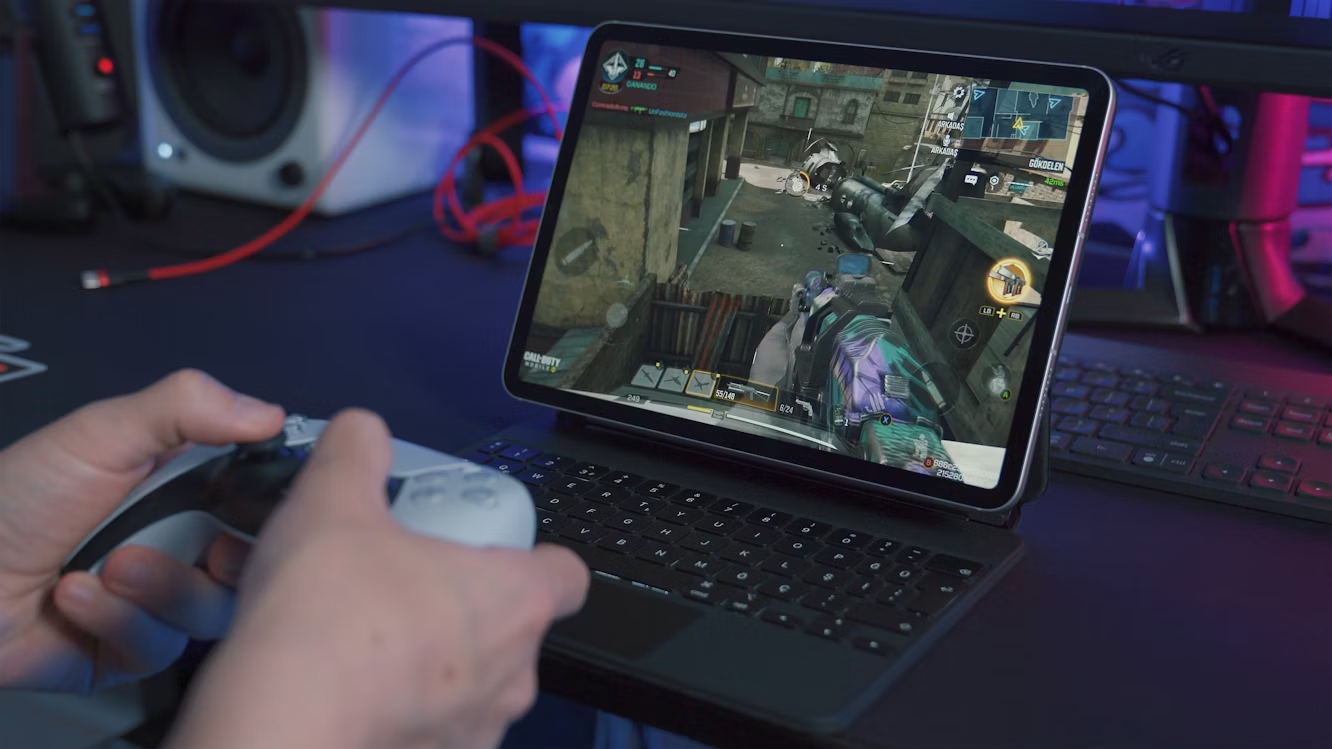
The landscape of competitive FPS gaming has transformed dramatically in 2025. What once separated casual players from professionals isn’t just raw talent anymore—it’s access to cutting-edge enhancement technologies that optimize every aspect of gameplay. From millisecond-level response improvements to sophisticated assistance tools, today’s serious players are leveraging technical advantages that were unimaginable just a few years ago.
The Evolution of Competitive FPS Gaming
Professional FPS gamers now treat their craft with the same scientific approach as traditional athletes. The days of relying solely on “natural skill” are long gone. Top players in Warzone, Modern Warfare 3, and the newly released Black Ops 6 combine technical optimization with structured psychological routines to maintain peak performance under pressure.
Tournament regulations have evolved accordingly. Hardware validation is now standard practice, with sophisticated anti-cheat systems using behavioral analysis and machine learning to detect unnatural in-game actions. Despite these measures, the line between legitimate optimization and unfair advantage remains blurry at best.
The Millisecond Advantage
In the world of competitive FPS, reaction time is everything. Specialized game acceleration solutions now deliver response times as low as sub-10 milliseconds—an advantage that might seem insignificant to casual players but makes all the difference in high-stakes environments. Even a 5-millisecond edge can determine who lands the first shot in a professional duel.
Technical Enhancements Reshaping the Scene
The technical enhancement landscape has grown increasingly sophisticated. Modern tools utilize deep learning to simulate human-like mouse movements, dynamically adjusting speed and targeting to remain undetectable. ESP overlays exploit GPU-level integration, making them virtually invisible to standard detection methods while providing crucial tactical information.
What’s particularly interesting is how these technologies have evolved to evade detection. Enhancement tools now actively monitor anti-cheat processes, pausing or obfuscating their activity when necessary. Some even offload computations to edge-cloud nodes, effectively separating the enhancement logic from the player’s machine—a clever approach to bypassing local scans.
Game-Specific Optimizations
Each major FPS title now has its own ecosystem of specialized enhancements. The Call of Duty series, including Warzone and the recent Black Ops 6, benefits from rapid information overlays that integrate directly into the player’s HUD. These provide real-time enemy tracking and custom crosshairs without modifying game files. Premium enhancement providers like https://battlelog.co/ offer solutions with auto-update mechanisms that adjust to frequent engine patches.
Other titles have their own unique optimization landscape. Escape From Tarkov’s 2025 version sees “silent aim” and “item ESP” providing crucial tactical advantages, while Rainbow Six Siege X players benefit from gadget ESP and operator-specific recoil adjustments. Even emerging titles like Delta Force and Marvel Rivals quickly develop enhancement ecosystems, sometimes within weeks of their beta releases.
The User Experience Revolution
Perhaps the most significant change in 2025’s enhancement landscape is accessibility. What once required technical expertise now comes with one-click installers, automatic system compatibility configuration, and cloud-based setup assistance. This democratization has brought professional-grade tools to a much wider audience.
Most players can adapt to core enhancement functions within their first play session, though mastering nuanced configurations may take longer depending on experience level. Advanced settings allow users to tailor features like assistance strength, ESP detail, and trigger thresholds to balance performance gains against detection risk.
Risk Mitigation Strategies
With game studios implementing increasingly sophisticated countermeasures, risk management has become an essential part of the enhancement ecosystem. Leading providers advocate for periodic cleanup routines, instant “panic” hotkeys that temporarily disable all enhancements, and best-practice guides to reduce detection risk.
Players serious about maintaining their competitive edge while minimizing ban risk follow strict protocols: avoiding suspicious behavior patterns, keeping enhancement settings at reasonable levels, and staying updated on the latest detection methods.
The Ethics Conversation
The community remains divided on enhancement ethics. Tournament organizers maintain zero-tolerance policies while enforcing sophisticated detection methods. Meanwhile, many amateur competitive ladders see widespread tool use, creating a complex ecosystem where players must navigate both technical and ethical considerations.
Some competitive gaming organizations have adapted by requiring clear disclosure of all optimization tools, while others run regular system scans to ensure a level playing field. The conversation continues to evolve as the technology becomes more sophisticated and widespread.
Adapting to the New Reality
For today’s serious FPS player, staying competitive requires a balanced approach to enhancement. Understanding the technical landscape is now as important as refining your aim or learning map callouts. Players who ignore these developments find themselves at an increasing disadvantage against opponents who embrace them.
The shift from simple assistance tools to integrated performance environments represents the future of competitive gaming. Semi-professional players particularly benefit from these advancements, gaining edges that were once available only to those with custom hardware setups or specialized technical knowledge.
Making Informed Decisions
Whether you’re considering enhancement tools for the first time or looking to optimize your existing setup, understanding today’s landscape is crucial. Research providers thoroughly, prioritize those with reputation for security and responsive updates, and always consider the risk/reward balance for your particular competitive environment.
Leading platforms provide detailed documentation on setup, feature selection, and risk management. Some offer case studies on performance improvement through technical enhancement, while others facilitate expert discussions on fair play and ethics.
Looking Ahead
As we move through 2025, the enhancement landscape continues to evolve at breakneck speed. Game developers implement increasingly sophisticated detection methods, while enhancement providers respond with more advanced evasion techniques. This technological arms race shows no signs of slowing down.
For serious players, staying informed about these developments isn’t optional—it’s essential. Those who understand and adapt to the changing landscape will maintain their competitive edge, while those who don’t risk falling behind in an increasingly technical competitive environment.
The future of FPS gaming clearly involves a technical component that extends well beyond traditional skill development. By understanding these dynamics, you can make informed decisions that keep you competitive in this rapidly evolving landscape.

